Posted
March 16, 2026

Jayne Furnival
Executive Director – Property
jfurnival@langtreepp.co.uk EmailCommercial property management is a sophisticated discipline that requires balancing operational efficiency, tenant relations, compliance, and financial oversight. Even experienced property owners and managers can stumble into costly pitfalls that erode asset value and profitability.
Drawing on Langtree’s expertise and proven track record in managing diverse commercial portfolios, this post explores five common mistakes in commercial property management and, crucially, how to avoid them to maximise your investment returns.
1. Neglecting personalised onboarding and occupier relations
A seamless tenant onboarding process is the foundation for smooth property operations and sustainable rent collection. Many managers underestimate the power of personal introductions and clear communication from day one, leading to confusion and slow repayments.
At Langtree, onboarding begins with face-to-face introductions that build trust and set clear expectations. This approach was key in the successful turnover of large portfolios where maintaining occupier confidence, ensured continuity in rental income and reduced management headaches.

How to avoid this mistake:
Develop a personalised onboarding plan tailored to your property portfolio size and occupier profile, prioritising direct engagement and transparent communication.
2. Inadequate budgeting and service charge management
Setting inaccurate or insufficient budgets and service charges is a frequent source of friction and financial inefficiency. Overestimating charges can push occupiers away, while underestimating them leads to shortfalls that threaten maintenance and compliance.
Langtree’s experience shows that budgets must be aligned with strategic asset goals and carefully reviewed for value and compliance.
How to avoid this mistake:
Regularly review budgets and service charges, ensuring transparency with occupiers and alignment with property goals and quality standards.
3. Overlooking maintenance and compliance checks
Property upkeep and compliance with health and safety legislation are non-negotiable. Neglecting monthly inspections and contractor management can lead to safety risks, legal challenges, and deteriorating asset conditions that discourage occupiers.
Langtree employs diligent contractor oversight and robust monthly site inspections to maintain high safety and quality standards. This proactive approach helps achieve long-term occupancy levels above 90% on managed estates by reducing complaints and vacancies.
How to avoid this mistake:
Establish scheduled maintenance inspections, verify contractor performance, and keep exemplary records to safeguard occupier safety and your asset’s reputation.
If you’re concerned that one of these issues could be affecting your portfolio, our commercial property management audit highlights risks, inefficiencies and missed value.

4. Preventing cash flow risks through proactive debt management
Poor invoicing processes, lack of proactive debt recovery, and impersonal payment systems often result in escalating arrears and cash flow issues.
Langtree combines automated financial systems with personal occupier relationships to ensure a 95% average debt collection performance.
Our approach includes early intervention on late payments and sensitive handling of end-of-lease debts, which significantly reduces vacancy times and protects profitability.
How to avoid this mistake:
Use reliable invoicing systems, maintain regular communication with occupiers on payment status, and act swiftly on arrears with a blend of automation and personal engagement.
5. Ignoring the impact of technology on reporting and oversight
Relying on outdated or fragmented management software can prevent real-time visibility into portfolio performance, making it difficult to spot issues and opportunities promptly.
How to avoid this mistake:
Invest in integrated, industry-standard technology solutions that provide comprehensive, real-time data and reporting capabilities tailored to your portfolio needs.
Practical lessons from Langtree’s projects
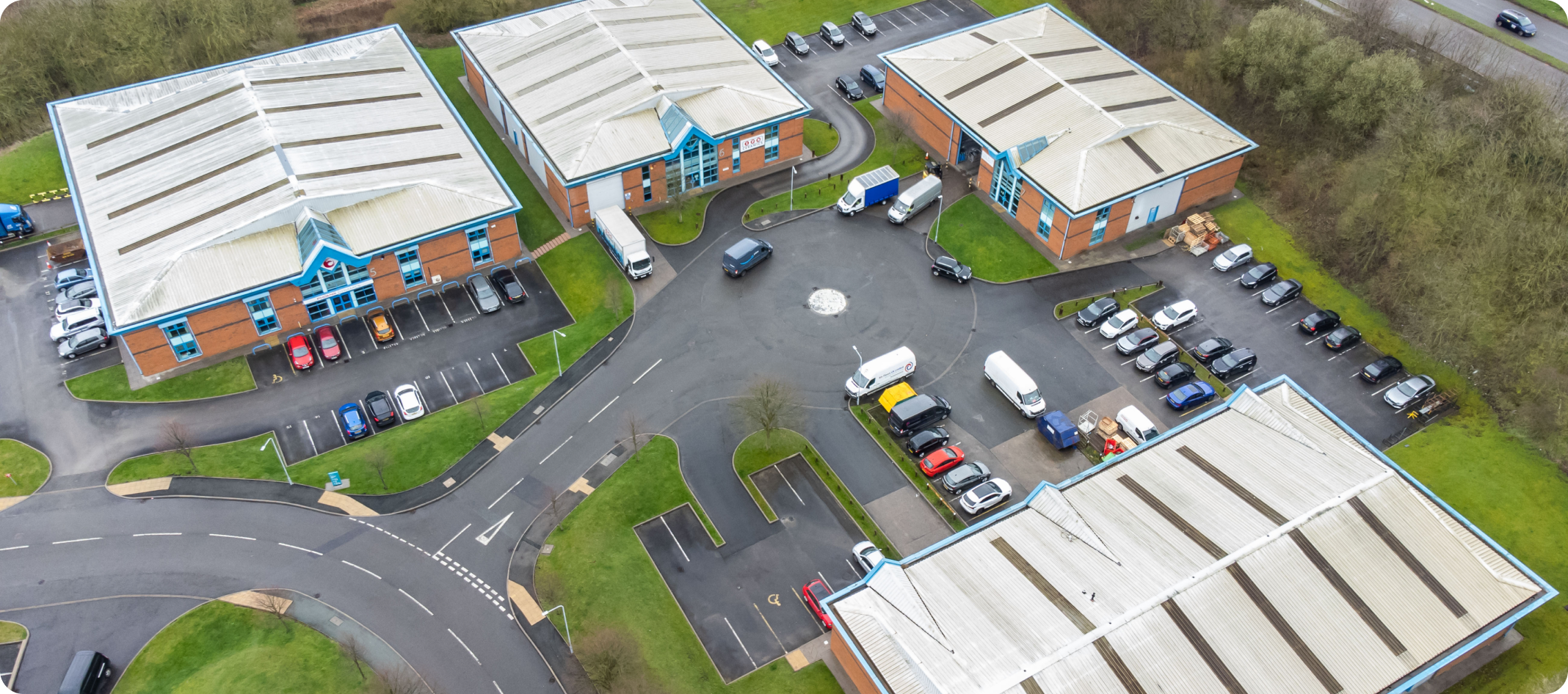
Langtree’s management of Wharf Industrial Estate illustrates how avoiding these common mistakes pays dividends. Through a strategic refurbishment and leasing programme, coupled with enhanced service charge transparency and proactive occupier relations, Langtree achieved:
- A 30% increase in passing rent
- A 43% uplift in Estimated Rental Value (ERV)
- Sustained occupancy averaging 95%, even reaching 100% in recent years
This success stemmed from tightly aligned budgets, rigorous operational disciplines, and clear communication with occupiers, showcasing how strong management translates to stronger asset performance.
How Langtree can help
Effective commercial property management demands disciplined oversight across financial, operational and occupier-related domains. When these elements are aligned, assets are better protected, cash flow is stabilised and long-term value is strengthened.
Langtree combines senior-led management expertise with data-driven systems and trusted governance to help property owners and investors maximise returns while reducing operational friction.
A proactive review can uncover hidden inefficiencies, compliance risks and missed opportunities before they affect performance.
Safeguard your portfolio performance
Avoid costly mistakes and protect long-term asset value.
Our free commercial property management audit identifies inefficiencies across budgeting, compliance, tenant relations and reporting, helping you safeguard profitability and maximise returns.