Posted
May 26, 2026

Jayne Furnival
Executive Director – Property
jfurnival@langtreepp.co.uk EmailThe long-term value of portfolio assets is one of the most universal priorities of all asset managers and portfolio owners, whatever the nature of the assets or the size of the portfolio in question. Refurbishment and ESG upgrades can both strongly affect this long-term asset value, so they’re often treated with an understandable amount of caution. Many of the most common concerns generally centre around the cost, time or complexity involved with delivering the work, especially since it’s increasingly mandated by legislation (and more unofficially by shifting expectations of investors and occupiers alike).
But while these concerns are worthwhile factors to bear in mind, it’s equally important to consider that the true impact of refurbishments and ESG upgrades encompasses a variety of positive effects on the long-term value of assets, too. So the question to ask is often not “can we afford to invest”, but rather “what will it cost us if we don’t take action now?”
With that in mind, ESG and refurbishment upgrades can provide measurable asset value through four main channels. Let’s examine each one in detail below.
EPC ratings and market value during ownership
Institutional investors, lenders and many pension fund investment mandates are now applying more consideration to the EPC ratings of their assets throughout the ownership period, as this can directly influence ongoing performance and risk. An overview of the building’s overall efficiency can provide useful, actionable insight into crucial factors like associated operational costs and tenant satisfaction.
An EPC rating also indicates how likely an asset is to meet current and future regulatory requirements according to the Minimum Energy Efficiency Standards (MEES) regulations, which dictate that commercial properties have to meet a minimum EPC rating to be legally let. The current MEES minimum is EPC E, and assets that do not meet the required MEES threshold can’t be legally occupied by tenants.
This standard may evolve over time – the market’s current trajectory indicates that the minimum requirement will be closer to EPC B by 2030. This means that the most rewarding strategic asset management approaches are those that prioritise taking action early with a view to events in the long term, rather than simply reacting to incremental changes in legislation.
Proactive refurbishments and energy-efficient upgrades can therefore help to preserve (and even sometimes raise) the asset’s value throughout successive legislative changes. That also minimises potential void risks, providing asset managers and portfolio owners with peace of mind in maintaining income stability throughout the ownership period.
Reductions in operating costs, and net operating income
In terms of refurbishments, there are a variety of energy-efficient improvements that can help to reduce the operating costs of running a building. Some of the most common examples of these improvements include the building’s lighting, insulation, and heating and cooling elements. However, it can also include other elements, such as ventilation equipment, lifts, pumps, and hot water systems. These changes can result in marked improvements to both the building’s net operating income (NOI) as well as its long-term asset performance.
Solar generation is one example of an energy-efficient refurbishment that can effectively reduce operating costs. Solar panels generate electricity on-site, which reduces the amount of energy that a building needs to purchase from the grid and lowers overall energy expenditure. As part of our own commitment to working towards sustainable assets at Langtree, we have installed 1,100m2 of solar panels across our sites; and in 2024, we generated more than 156,000 kWh with these installations, contributing directly to lower operating costs across those buildings.
As well as these immediate benefits, energy-efficient refurbishments can be closely associated with lower service charges for occupiers. These can help to make assets more competitive, by allowing businesses to forecast their ongoing building-related costs with greater precision and overall accuracy. This can then give them more confidence in committing to lease terms, and can improve retention for portfolio owners and asset managers by reducing the tenants’ incentives to move when their agreements expire.
Occupier appeal and void rate reduction
Though many portfolio owners and asset managers frequently focus on legally mandated refurbishments or upgrades, it’s also worth considering that these changes are often more softly encouraged by the occupier market as well. Crucially, occupier expectations for commercial properties have shifted over the last few years, with tenants becoming more conscious of how their spaces can affect them and the environment. Common expectations now include EV charging, bicycle facilities, and health and wellbeing features, all of which contribute to greater energy efficiency and ESG credentials.
Refurbished buildings don’t have to meet all of these expectations, but any asset that meets two or more is far more likely to attract strong interest from occupiers, partially because of the lower operating costs outlined above. It’s also because many businesses tend to favour buildings with environmental credentials that align with their own sustainability targets and values as an organisation.
For asset managers and portfolio owners, all this can go a long way towards reducing void risk between tenants. This is especially important in the office and laboratory sectors, where the competition for quality occupiers can be particularly intense.
Langtree’s approach to refurbishment is explicitly tied to occupier strategy.
We’re always up to date with the latest sustainability trends in commercial property management, and we consider these when it comes to driving attraction and retention in each asset’s specific occupier market.
Capital value at disposal
As standard practice, buyers will assess EPC performance when they evaluate asset quality and future risk exposure. Higher EPC ratings signal to lenders and investors that the building has a strong energy performance, and that it’s well-positioned to meet future regulatory changes. A building with a sustainable future presents lower regulatory and operational risk, which increases investor appetite and results in more competitive bidding during transactions.
As a result, achievable sale prices and overall asset valuation are often improved.’ A high EPC rating can also provide an asset with a decisive appeal in particularly competitive geographical locations, such as city centres.
Frequently Asked Questions
What’s the typical return on investment for an EPC improvement programme?
There’s no one-size-fits-all answer to this, as it varies significantly depending on several factors – asset type, current EPC rating, and the package of improvements required. As a general principle, the return is generated through three channels:
- rental value uplift (post-improvement)
- operating cost reduction (direct and through service charge competitiveness)
- capital value improvement at disposal
Langtree’s team always carries out detailed modelling for each asset before recommending a CAPEX programme.
How does Langtree identify which assets in a portfolio need refurbishment first?
Our asset management process includes regular site inspections and condition assessments. These feed into asset-level CAPEX plans, which are reviewed both quarterly and annually. The team prioritises refurbishment projects using a framework that evaluates compliance urgency, rental uplift potential, void risk and disposal timing. Using this process, our team can ensure that capital is allocated to the assets where refurbishment investment will create the greatest portfolio impact.
Is BREEAM certification worth pursuing for an existing asset?
BREEAM has the most impact for new developments or major refurbishments where it can be designed into the process from the outset. For existing assets, EPC improvement and targeted energy investment tend to deliver better commercial returns than a full BREEAM certification process. In scenarios where specialist advice is required, our team can provide guidance on the right ESG investment pathway for each asset, based on its market position and occupier base.
Refurbishment as a cycle – and how Langtree can help
Some of the most common mistakes around refurbishment and ESG upgrades involve treating improvements as reactive, one-off projects. This often happens in response to compliance deadlines or void events, rather than as part of an ongoing asset management strategy.
A more effective approach is to treat refurbishment as a continuous cycle within the asset management plan. That means assets should have a documented condition assessment, a forward CAPEX schedule, and a clear process for prioritising works based on their impact on income, value, and compliance risk.
Well-timed, targeted refurbishments and ESG upgrades can help to:
- improve Net Operating Income (NOI)
- reduce void risk
- protect and grow capital value
- position assets competitively
That’s where Langtree can help. With more than 30 years of experience, we have delivered EPC improvements across more than 50% of clients’ portfolios since 2013, alongside refurbishment programmes that have produced 71% capital value increases.
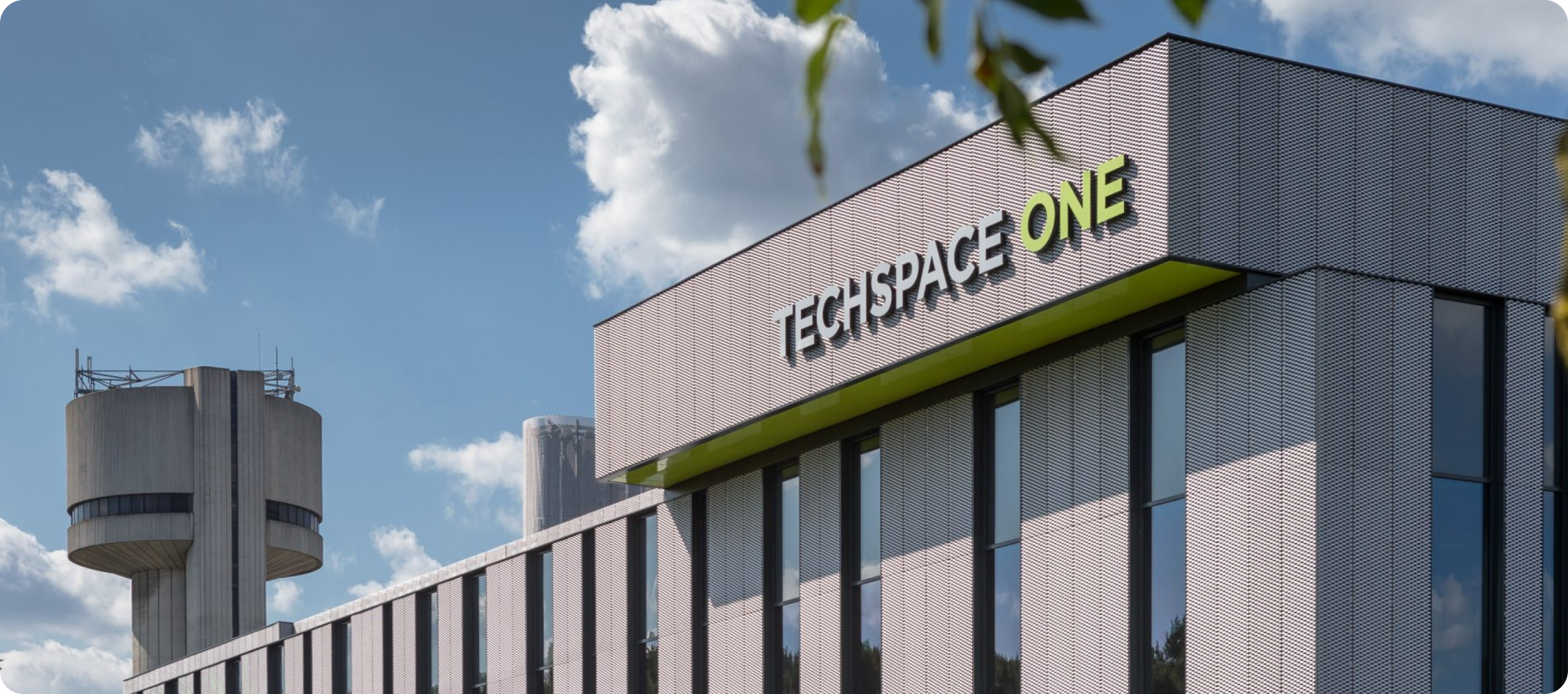
For example, at The Innovation Centre at Sci-Tech Daresbury, we used a combination of sustainability-led refurbishments and targeted asset management to increase rental income by 21%, and boost capital value by 33%. Energy efficiency improvements have also reduced costs by 30% – around £40,000 per annum.
Enhancing performance through sustainable investment
Strengthen your portfolio with a targeted refurbishment and ESG strategy
Our director-level team works with portfolio owners and asset managers to identify where refurbishments and upgrades will deliver the greatest impact. If you’re reviewing your CAPEX or planning your next phase of investment, we can help you prioritise the right opportunities.