Posted
August 25, 2026

Jayne Furnival
Executive Director – Property
jfurnival@langtreepp.co.uk EmailLife sciences and lab-enabled workspaces have significantly different requirements from conventional commercial property. Every decision influences the long-term performance of the asset; from maintaining specialist building services and planning capital investment, to preparing laboratories between tenancies, or responding to changing occupier requirements.
When it comes to life sciences and lab-enabled workspaces, asset managers need to carefully balance competing priorities, from maintaining the building’s specialist infrastructure to planning investment that reflects future occupier requirements. They also need to ensure that each building remains sufficiently prepared (and equipped) for the right scientific and commercial activity, especially since many of its occupants will be focusing on growing their operations, or adapting their research.
All that demonstrates why asset managers frequently play a central role in protecting asset value across science parks and innovation campuses – and crucially, maintaining an environment where science and technology businesses can continue to thrive.
What makes life sciences asset management different from standard commercial property?
There are a number of practical considerations that make asset management for life sciences and lab-enabled workspaces fundamentally different from managing conventional commercial property. Every asset contains specialist infrastructure that requires ongoing oversight, and every decision about maintenance, investment or occupier change has the potential to influence how effectively the space performs.
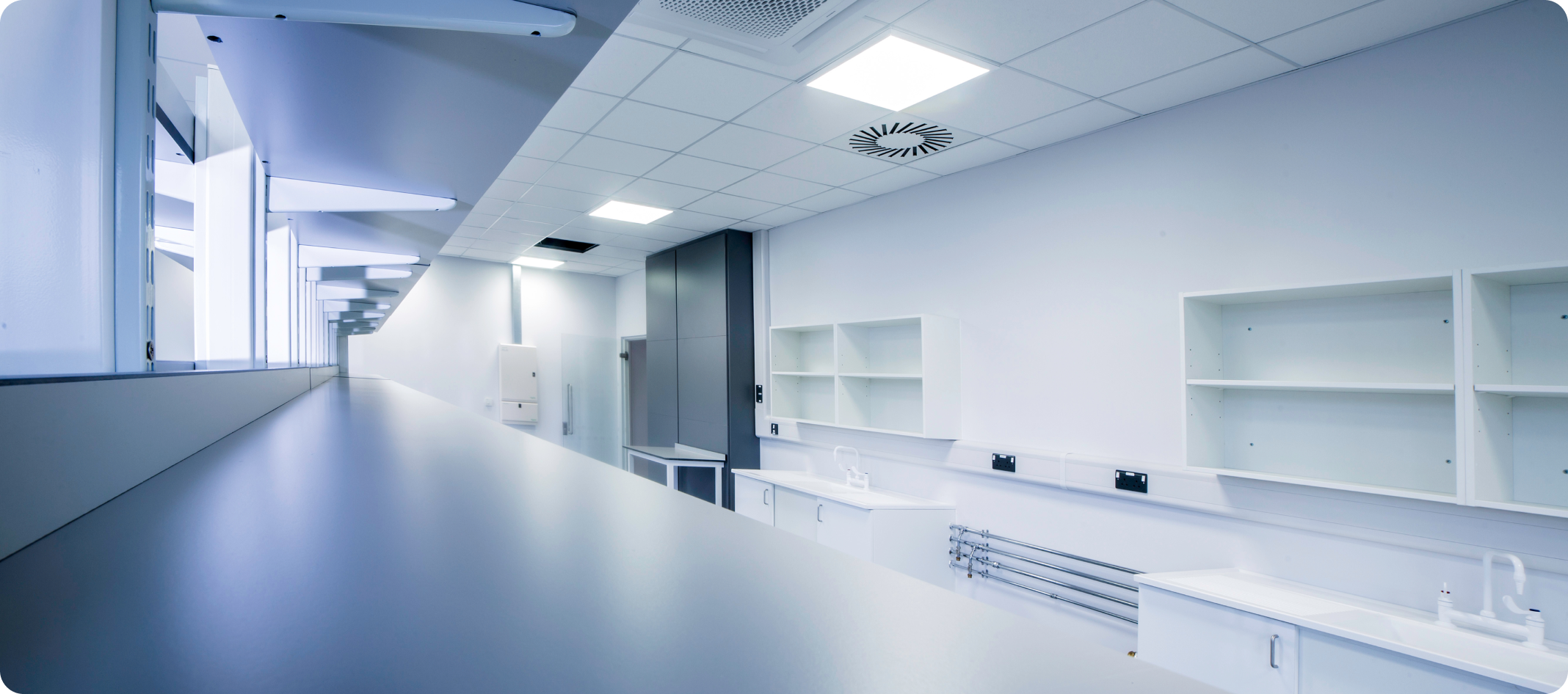
Laboratory environments often include:
- Extraction systems
- Specialist ventilation
- Gas supplies
- Purified water systems
- Temperature-controlled areas
- Enhanced electrical capacity
These assets require planned maintenance that reflects their technical requirements, alongside a clear understanding of how each system contributes to the day-to-day operation of the occupier’s business.
It’s also worth noting that the buildings themselves need greater flexibility, since occupiers tend to range from early-stage businesses to established organisations with highly specific operational requirements. A laboratory that suits one occupier may require significant adaptation before another business can move in. Asset managers therefore need to plan for investment between tenancies, assess the condition of all specialist infrastructure, and identify opportunities to improve the space without disrupting future flexibility.
How do you create an asset strategy for a lab-enabled campus or science park?
An effective asset strategy can provide a framework for making consistent operational and investment decisions throughout the life of a science park or lab-enabled campus. Not only do those decisions have a direct influence on the long-term performance of the asset, but they can also improve tenant retention, particularly in life sciences. Tenant retention is often a particular priority in this sector, because laboratory occupiers frequently invest heavily in fitting out their premises to meet their own operational and technical requirements. By the same token, relocating those facilities can be costly and operationally disruptive, particularly because specialist equipment often requires extensive validation before it can be used again.
Every asset has different technical requirements and occupier profiles, so there’s no single process that applies in every situation. The following principles provide a foundation for developing an approach that reflects the specific requirements of each asset.
Align the asset with the profile of its target occupiers
The requirements of an early-stage biotechnology company are different from those of an established engineering business or healthcare organisation. Asset managers therefore need a clear understanding of the occupier profile that each building is intended to serve before making investment decisions. Those decisions affect everything from laboratory configuration and shared facilities to future investment priorities, helping to ensure that the asset continues to meet the operational requirements of its intended occupiers over the long term.
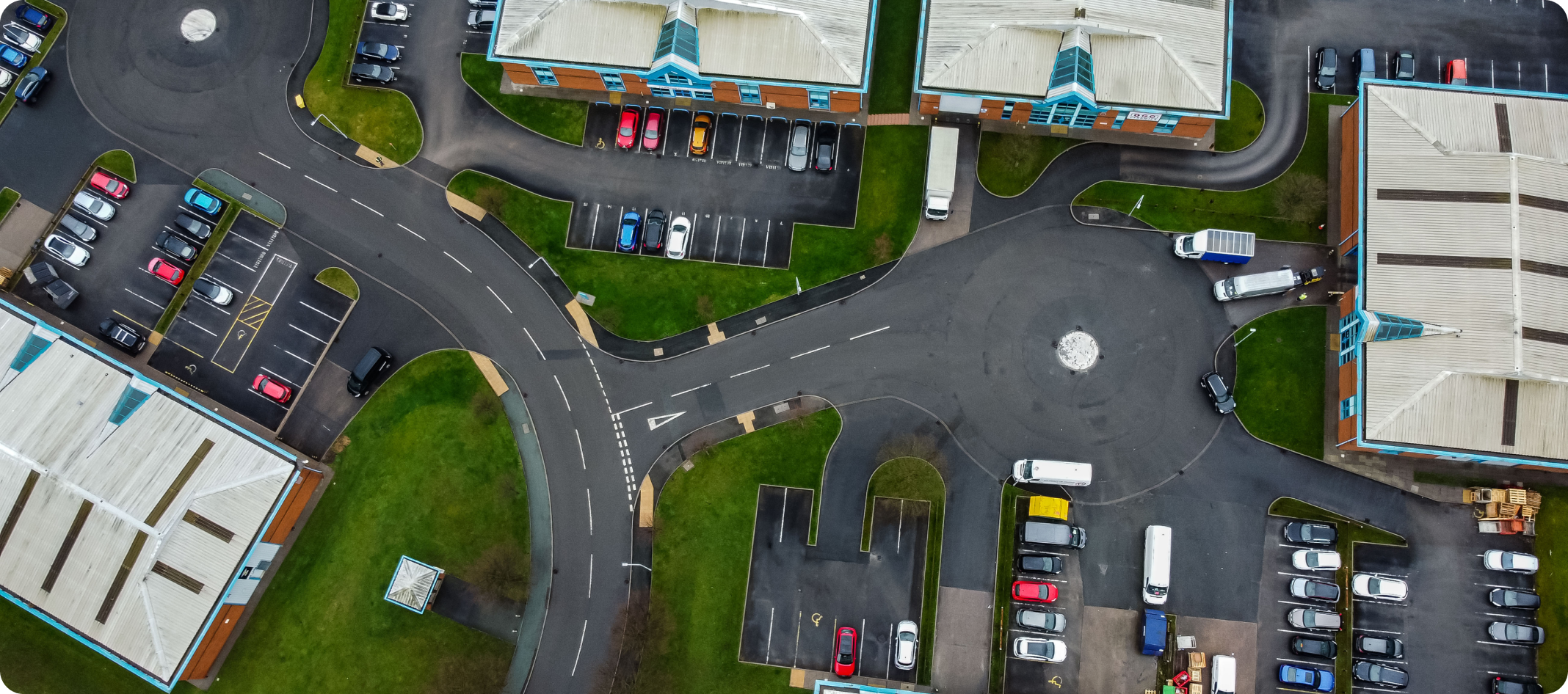
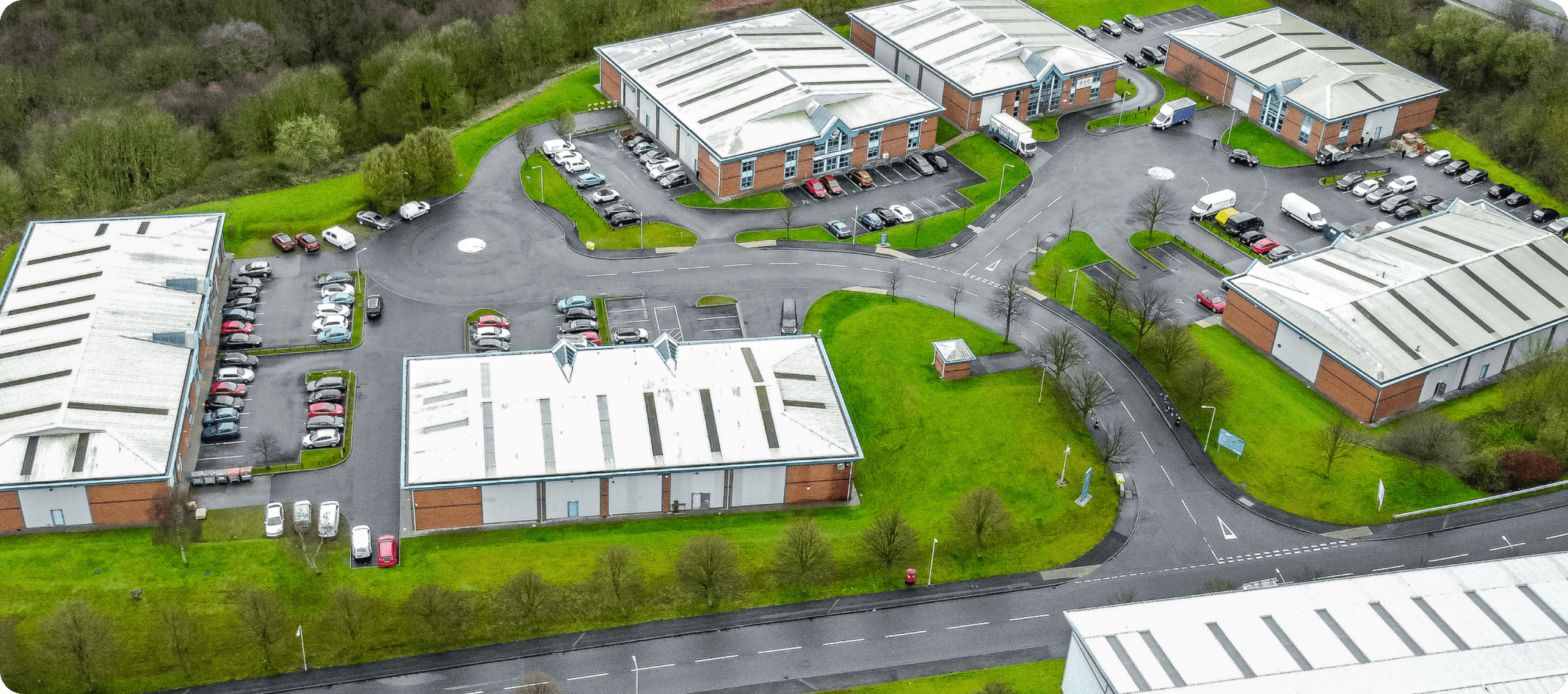
This principle can be seen in action across Langtree’s management of the Sci-Tech Daresbury campus, where a diverse community of science and technology businesses occupies laboratory and office space with different operational requirements and growth ambitions. To effectively meet those needs, the team needed to devise and implement an asset strategy that reflects both the current demands and future requirements of its occupiers.
Plan future capital investment around the lifecycle of the asset
Capital investment should ideally reflect the condition and expected lifespan of the building’s specialist infrastructure. For example, extraction systems and ventilation equipment often represent significant long-term assets that require ongoing investment if they’re to continue operating efficiently and remain suitable for future occupiers. Asset managers will also need to consider how existing systems can accommodate future occupier requirements.
Balance the building’s operational flexibility with its long-term performance
Laboratory environments rarely remain unchanged throughout the life of an asset. Occupiers may expand, relocate or introduce new equipment, while incoming businesses may require different laboratory configurations. Asset managers therefore need an approach that allows the space to adapt without compromising the long-term performance of the building. Investment in adaptable laboratory space is one reliable method to reduce the scale of future fit-out works and shorten the period between occupancies. That enables owners to respond more efficiently to changing occupier requirements, while continuing to protect the long-term value of the asset.
Why is occupier relationship management so important in R&D real estate?
Occupier relationship management is a perennial concern in any property portfolio, but it’s especially critical in R&D real estate, primarily because strong occupier relationships can help contribute to long-term retention. Businesses are more likely to remain where they feel understood and valued, and where their landlord takes an active interest in helping them succeed. That can be particularly valuable in R&D environments, where retaining established occupiers often contributes to the long-term performance of the asset.
This makes communication a central concern for asset managers responsible for science park property management. Laboratory occupiers often rely on specialist environments to play a central role in their day-to-day work, so maintaining an open dialogue with them can be instrumental in building their trust and ensuring that their premises are meeting their current practical needs.
What’s more, regular engagement also gives asset managers a clearer picture of how occupier needs are changing across the campus. Feedback from occupiers can highlight recurring themes, identify emerging trends and reveal where future investment could deliver the greatest value. That creates a stronger evidence base for future decision-making, and helps to keep the asset aligned with the needs of its occupiers.
It’s also worth noting that the importance of this relationship also extends beyond the buildings themselves. On many science parks, the occupier experience isn’t solely defined by the space and facilities available, but also the networking opportunities, business support services and a strong campus community that come with them.
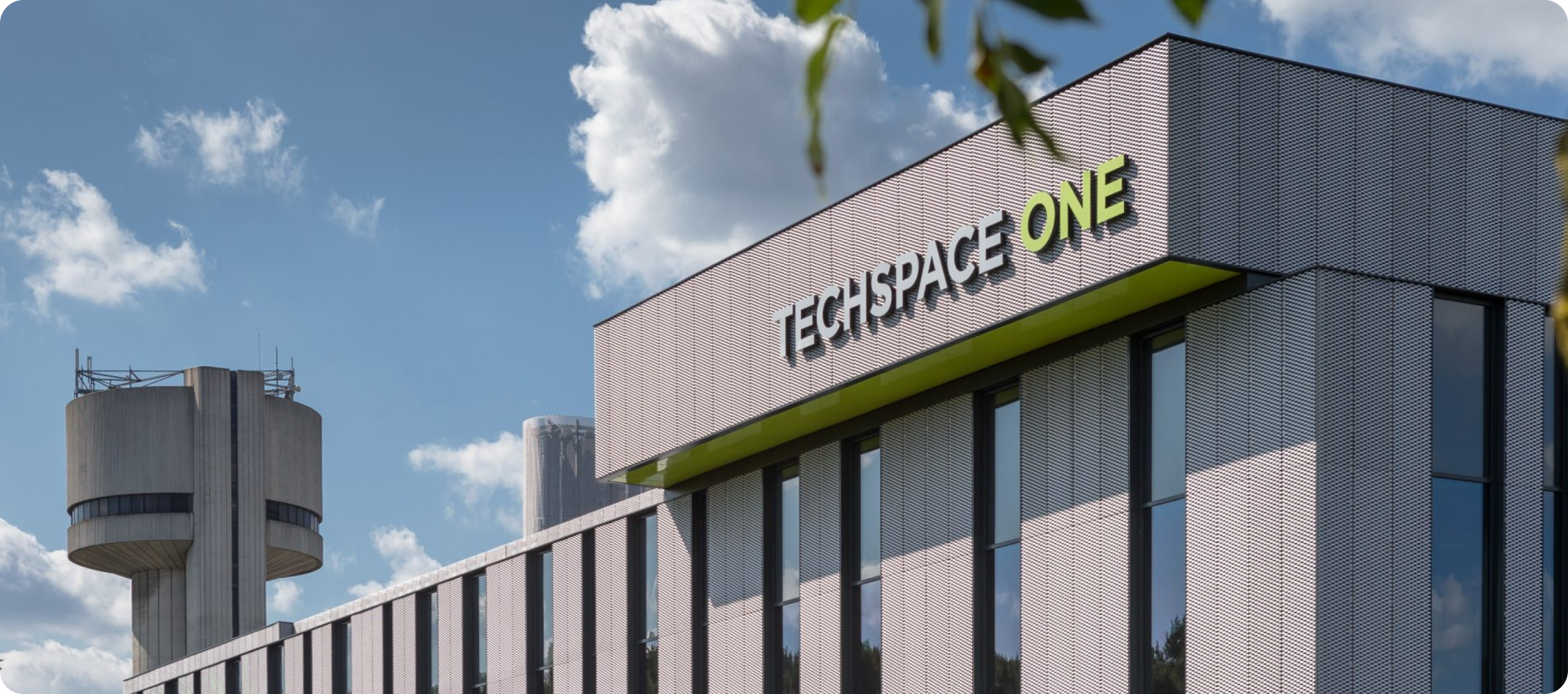
For example, at Sci-Tech Daresbury, the campus encompasses both The Innovation Centre, and Techspace One, which together provide workspace for more than 80 businesses. These businesses have access to networking events and a wider innovation community that creates opportunities for collaboration and knowledge sharing. Those connections encourage businesses to develop relationships with neighbouring organisations, creating opportunities to exchange expertise, explore commercial partnerships and access knowledge that may not exist within their own organisation.
What compliance, safety and regulatory considerations apply to lab-enabled property?
As with occupier relationship management, compliance is obviously a fundamental concern for any workspace, but it’s especially important for specialised asset classes like life sciences and lab-enabled property. Laboratory environments have their own health and safety requirements that go well beyond those of conventional office space, creating additional responsibilities for asset managers throughout the life of the building. Every aspect of the asset, from its specialist infrastructure to its operational procedures, requires ongoing oversight to ensure that the building remains suitable for scientific activity while meeting the relevant legal and regulatory obligations.
Key areas of compliance typically include:
- Inspection, maintenance and certification of specialist ventilation and extraction systems
- Safe management of laboratory gas supplies and other building services
- Fire safety arrangements that reflect the building’s laboratory environments and occupier activities
- Statutory testing and maintenance of electrical, mechanical and water systems
- Clear documentation, governance and reporting that provide investors with assurance that the asset is being managed effectively and in accordance with its regulatory obligations
Effective compliance management also generally strengthens the long-term performance of the asset. Consistent governance, accurate reporting and well-maintained compliance records can all create greater transparency for owners and investors, while helping asset managers to plan future investment with a clear understanding of the building’s operational condition. For specialist assets such as science parks and lab-enabled campuses, the value of that compliance record is especially clear during asset reviews and investment decision-making, giving owners and investors a clearer view of the asset’s technical risk and its continued suitability for R&D occupiers.
How do joint ventures and public-private partnerships influence campus management for life sciences?
There are several large-scale science parks and innovation campuses that operate through joint ventures which combine commercial property expertise with public sector involvement or ownership. Essentially, this type of joint venture can create a long-term stewardship model that guides the campus’s development while taking into account the objectives of every organisation involved.
It’s an approach that’s exemplified by Langtree’s role at Sci-Tech Daresbury. The campus operates as a joint venture between Langtree, Halton Borough Council and the Science and Technology Facilities Council (STFC), and it’s a useful demonstration of how joint ventures can often benefit these complex innovation sites over the long term.
For example, joint ventures can establish governance arrangements that serve several vital functions: determining how major decisions are made, introducing public accountability in instances where local authorities or public bodies form part of the ownership, and influencing how capital expenditure is prioritised across the estate. In doing so, these governance arrangements can provide a clear framework for long-term investment and estate management.
The joint venture can also influence how the campus grows over the long term. Many asset managers favour a phased development strategy, which enables them to coordinate infrastructure upgrades before additional laboratory space comes forward. That helps to reduce disruption for existing occupiers while ensuring that power, utilities and specialist building services all have sufficient capacity for future phases. It also allows capital investment to be released at the right points in the campus’s development, helping owners to avoid committing significant expenditure unless it’s justified by demand and infrastructure requirements.
This type of phased development strategy can be further strengthened by ‘Enterprise Zones’. These are designated areas that offer incentives to encourage business growth and investment – which can include business rates relief, simplified planning arrangements and infrastructure funding. In terms of innovation campus management, these incentives can improve the financial viability of new development and encourage further private investment into the estate. Notably, they can also attract science and technology businesses by reducing barriers to investment, helping to increase occupier demand and create stronger commercial justification for future phases of development.
At Sci-Tech Daresbury, this type of incentive has evolved over time. Some of the campus’s existing buildings sit within the original Enterprise Zone, granted in 2012, while future development is now being driven by the Liverpool City Region’s Industrial Strategy Zone (ISZ), launched in March 2026. The ISZ designates Sci-Tech Daresbury as one of six tax sites across the city region, offering occupiers incentives including five years’ business rates relief, Stamp Duty Land Tax exemption and employers’ National Insurance relief.
Violet Phase Two sits within this tax site, and its progress is a clear signal of Langtree’s continued investment in the region’s life sciences space. The c.£30million scheme will deliver c.83,000 sq ft Grade A laboratory and office accommodation across two buildings at the north end of the campus. It’s a good example of how a joint venture can adapt to new policy and funding mechanisms as they emerge, keeping investment incentives aligned with the campus’s long-term growth strategy and giving asset managers greater certainty when planning future phases.
How our specialists can help at Langtree
We have more than 30 years of experience in asset management, commercial property management and development delivery at Langtree, working across complex commercial estates, joint ventures and public-private partnerships. That gives us the practical insight required to help owners of life sciences and lab-enabled workspaces to improve asset performance and plan future investment around occupier requirements.
Our role at Sci-Tech Daresbury demonstrates that experience in action, combining long-term campus management with specialist occupier engagement and phased development planning. If you own or manage a specialist R&D asset, contact Langtree to discuss how our team can help to strengthen its long-term value.w we work.
STRENGTHEN YOUR SPECIALIST PROPERTY STRATEGY
Maximise the performance of your R&D asset
Lab-enabled assets require careful oversight of infrastructure, compliance requirements and occupier needs. At Langtree, we help owners to enhance performance across specialist workspaces with a clear long-term asset strategy.